Showing posts with label Monthly Garden schedule. Show all posts

Thursday, February 3, 2011

February Groundwork

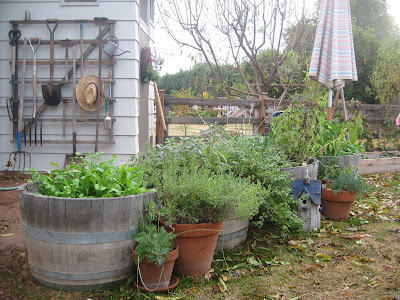
The month of February offers an opportunity to expand our home gardens and prepare for spring, (yes, these cold nights will pass). George Brookbank, one of my favorite desert gardening experts refers to February as the in-between month," It's the end of winter, but not quite spring." Do we continue to plant winter vegetables that will use our garden space or get a jump-start on summer planting? If you have enough space, you have the best of both worlds. If not, February is a great time to add a new garden box, or a halved wine barrel. Save your black plastic pots from your local nursery and use them for your new transplants until space opens up in your garden. At Love Apple Farm in California they use 15 gallon pots to plant their fingerling potatoes. This year my neighbor is planting his tomato and pepper seedlings in a bag of potting mix, and will move them to his garden when the soil warms up in a few weeks. Look around, you can grow your own food almost anywhere!

February Checklist
  • This is your last chance to sow cool-season vegetables before warm weather arrives. Plant carrots, beets, bok choy, green onions, leaf lettuce, peas, radishes, spinach, turnips and potatoes.
  • Begin to plant warm season vegetables. Beginning mid-February plant transplants of tomatoes, peppers and artichokes. The average "last-frost" date is around the middle of March. Be prepared to cover new transplants when a freeze is expected.
  • After mid-February, sow seeds of sweet corn, melons, cucumbers, summer squash, and sunflowers.
  • Prune roses and fruit trees.
  • Plant bare-root fruit trees and roses by mid-month.
  • Fertilize roses and established citrus trees.
  • Improve soil by adding 4 to 6 inches of a combination of compost, mulch and well-aged manure. You could also add some organic amendments including, bone meal, blood meal, alfalfa meal, and rock phosphate.
  • Pull spring weeds while soil is moist and roots are shallow.
  • Harvest citrus and winter vegetables.
  • Start an herb garden. Plant parsley, cilantro, oregano, chive, marjoram, rosemary, tarragon, thyme and mints.

Sunday, September 5, 2010

September Groundwork

If there is a season for everything, then why in this season of planting have I not yet felt the inclination to plant! Oh yes, it's still 110 degrees outside! That aside, my September to-do list is quite similar to my August to-do list, so what you didn't do last month you should plan to do now. Late September is the beginning of the fall sowing season and as temperatures in our low desert begin to drop it is the prime time to plant. If you are still too meek to venture out and sow your seeds, you may also wait for the nursery transplants to arrive later this month.

September To-Do List

  • Organic matter is used up as it feeds organisms and is changed into humus. Refresh garden beds and boxes with 4 to 6 inches of a combination of compost, well-aged manure or organic matter. Turn into soil to a depth of 12 to 14 inches. Use a spading fork rather than a shovel, it breaks up clumps and aerates the soil.

  • Sow seeds for snap beans, beets, bok choy, cucumbers, green onion, kale, leaf lettuce radish and turnips (see planting calender for complete list).
  • Save bags of grass clippings, leaves from fall foliage, shredded newspaper and spent summer annuals for use in your compost bins. Stop by your neighborhood coffee shop and ask for their coffee grounds.
  • Trim back tomato and pepper plants that made it through the summer to encourage another crop.

  • If you did not fertilize citrus in August, feed with the final application of nitrogen for the year.

  • Lightly trim roses as soon as new growth begins to about one-third. Work in alfalfa meal, blood meal or fish emulsion for added nitrogen. For phosphorus add bone meal, or rock phosphate. Water to a depth of two feet.
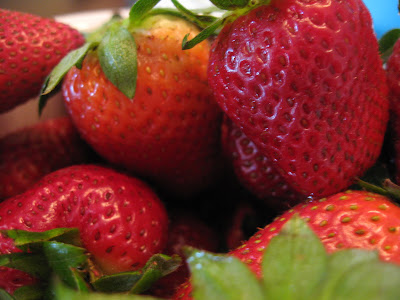
  • Set out strawberry plants. A garden just isn't complete without a strawberry patch. Strawberries grow well in lower desert regions of Arizona. If you want a good crop of strawberries later in the year, September is the best time to plant. This ensures that the plant has time to become well-established with a strong root system by January. This is when the strawberry plants flower and set fruit. For a nice strawberry patch you will need an area about 4ft x 4ft, plant about 4 inches apart, giving plenty of room for runners to fill in the bed. Use lots of organic compost and make sure the drainage is good. Sprinkle a little bone meal over soil monthly and water in. Set your plants in the ground at the same level they were growing in the nursery container. Raised beds are perfect for a strawberry patch. Choose a location that receives at least six to eight hours of sun. In case of a frost this winter, cover with clear plastic for a greenhouse effect. In the summer keep shaded from the direct sun. Layer straw under the strawberries to keep soil moist and to discourage slugs and pill bugs from munching on your ripe berries. Mulch to maintain consistent soil moisture. Varieties that are well-adapted to our low desert climate are, Chandler, Sequoia, Tioga, Shasta and Camarosa. Strawberries are easy to grow and always provide a pleasant surprise when you find your first red berry at the peak of ripeness!

Monday, August 23, 2010

August Groundwork

It's time to prepare your garden beds for fall! In late August and early September a new planting season begins, be ready to sow cool weather vegetables. Begin by looking through seed catalogs for inspiration, there's an amazing variety of of vegetables available. Last fall I planted Royal Oak leaf lettuce and Red Sails, both were an amazing addition to my garden and salad bowl. Experiment with purple broccoli or sow seeds of white radishes. Remember to rotate your vegetables to different locations in your garden from year to year. If you want a continuous supply of crops, sow seeds every two weeks during the planting season. Thin seedlings (and toss into your salad) when the plants have two to four leaves, leaving room for the growing plant. Consider planting enough of your favorite, tried and true veggies to share, bottle or barter!

Things to do in August

Prepare fall beds, spread 4-6 inches of compost or well-aged manure on top of soil. Turn in to a depth of 12 to 18 inches.
Deadhead flowers and harvest vegetables to promote continued production. Remove spent and dried plants that didn't make it through the summer.

Sow seeds for a second crop of summer squash, sweet corn, cucumbers, snap beans and carrots.


After August 15th you may begin to sow fall vegetables (see planting calendar ). Carefully monitor your watering.

Fertilize citrus trees a with nitrogen rich citrus feed, water at a depth of 3 feet at the trees outer canopy.


Plant Sweet Corn by the end of August, choose varieties that mature within 65 to 80 days. Amend soil with organic matter(nitrogen) and keep seeds moist until sprouting.
Trim back tomato plants by 1/3 to encourage new growth as weather cools.

Wait for the cool Autumn breeze!

Wednesday, January 6, 2010

January Groundwork

January is here and it's not a time for slackers. It's time to prepare for Spring! January is the month to prune, plant, and dig holes. This is the time to think about expanding your garden. But, don't think too long. The dormant bare-root trees need to be planted before the roots dry out and the warm sun stimulates the buds to leaf out.

Here's the list for the month

  • Plant deciduous fruit trees. If you are planting bare-root trees, get them in the ground as soon as possible. Don't let the roots dry out. Take the tree out of the bag and set it in a barrel of water with a little vitamin B. Let it soak overnight. Have your holes pre-dug and soil mixture ready. Here is a list of fruit and nut trees for the low desert. Many nurseries have potted fruit trees available. You can plant these any time in the next few weeks.


  • Start taste testing citrus fruits for sweetness. Navel, sweet oranges, mandarins and tangelos are close to harvest time.

  • Continue to sow seeds or transplants of cool-season vegetables for a continuous supply of salad greens and root vegetables until warm weather arrives.

  • Time to plant bare-root roses. Find a location where roses have filtered afternoon shade. Valley nurseries have hundreds of roses available. Rose societies will be offering how-to clinics for pruning and planting. Take advantage of the expert knowledge of the valley rosarians. Check out the Maricopa County Extension's rose publication for more information.
  • Prune established roses to encourage optimum blooming in April. Cut all canes back to approximately one half. Cut canes back to an outward facing bud. Remove dead canes. Remove old or weak canes. Strip off all leaves and dispose of them. Seal all cuts with Elmer's glue to seal new cuts. Don't be afraid. Practice makes perfect.

  • Sow seeds of tomatoes, peppers eggplants and basil indoors in time to transplant in the garden in late February to early March.
  • Continue to watch for freezing temperatures and protect frost-tender plants. The last average frost date is around February 15th.
  • Watch for gray aphids on tender new growth and hose off regularly with a forceful spray of water. Also, looper-worms like to eat cabbage, broccoli and cauliflower. Check under leaves and near the base and pick off worms.

  • This is a great time to add color and texture to your garden. Plant cool weather annuals between your vegetables. Calendulas, johnny-jump-ups, pansy, petunias, snapdragons and stocks will continue to bloom until spring. Cool-season herbs include, dill, parsley, cilantro and thyme.
  • Prune deciduous fruit trees by the end of January or before flowering starts.
  • If you are an adventurous gardener, plant asparagus now.


Have a great new year, and enjoy spring gardening in the desert!

Thursday, November 5, 2009

November Groundwork

Mild November days remind us to slow down and relish in the fact that we have survived the summer once again. Here in the low desert of Phoenix we have two growing seasons.This cool season weather is the perfect time to sow peas, root crops, leafy greens and a long list of cabbage family crops. Plant cool-season herbs and edible flowers, experiment with new tastes and textures in your Autumn dishes. One of my favorite herbs is dill. I love the delicate, feathery-like leaves or fronds. It reminds me of a fairy land, especially when the flower heads form into little yellow umbrellas and turn into seeds! Dill is easy to grow from seeds. Sow them in full sun and well-drained soil. Plant in the back of the garden bed. They can grow up to 3 feet tall. Cut fresh as needed. Fronds, flower heads and seeds are all edible. After you have had your fill, dry for later use. Spread fronds out on a paper towel and air dry, or microwave for 3 minutes. Remove thick stems and crumble. Store in an airtight container. When seedheads form, let them dry and remove seeds. Add to fish dishes, dips, soups and salads. Leave a few seedheads to dry in your garden for self-seeding.

November Checklist ~
  • Adjust watering schedule as weather cools. Water deeply so moisture will reach the root system, but less frequently as the season changes.


  • Inspect vegetables closely for insects, pests and diseases.Keep an eye out for little green caterpillars or Cabbage Loopers. This is also the time of year for aphids. Rub out or pinch out at first sign of the ash colored cluster. Also try using a soapy spray by mixing 1 tbsp. each of Dawn dish soap and vegetable oil with 1 gallon water. Spray in early morning or evening. Make sure you spray the underside of leaves. With early detection, you're more likely to manage or prevent any major damage to plants.


  • Dead-head spent blooms and harvest veggies to stimulate continued growth.


  • Continue to sow cool-weather annuals and biennials every 2 to 4 weeks through the fall for a continuous crop of vegetables through next spring.


  • Thin seedlings as they grow to prevent crowding, this gives your young plants plenty of room to grow. Use scissors to cut seedlings at ground level. Wash and toss these sprouts into your salad.


  • Be prepared for early winter frost. Average first frost date takes place around the end of November to the first week of December. We usually have 7 to 10 nights of below freezing temperatures a year. Check out the National Weather Service for more up to date information. Cover frost sensitive plants with a sheet, light blanket or frost cloth (not plastic) all the way to the ground. Frost-tender veggies include; Tomatoes, bell peppers, and eggplants. Paper bags or boxes are great for low lying plants. Floating row covers are another option. If a hard freeze is forcast, try using outdoor Christmas lights under cover for extra warmth. Coldest temperatures are just before sunrise.


  • Fall brings cool weather and an abundance of free organic matter. As trees begin to drop leaves, bag and save for compost pile, mulching or adding to layered garden beds. Mow over leaves a couple of times for a ready-to-use mulch. You can never have too many bags of leaves!

Wednesday, October 7, 2009

October Groundwork

October finally brings the subtle change in weather we have been waiting for. For gardeners in the low desert this is our "second spring". Our warm days accelerate the sprouting of our newly sown seeds, and the cool night air gives seeds and gardener a pleasant break. This is the prime season to plant a long list of cool-weather vegetables, flowers and herbs. We have seven whole months of mostly mild weather. This gives root systems plenty of time to become established before our summer heat returns.


October to-do list
  • Continue to sow cool weather vegetables every 2 to 4 weeks for a continuous supply of vegetables through next spring.


  • Sow cool-season herbs and edible flowers. The list includes: chives, cilantro, dill, fennel, parsley, anise, chamomile and lemon balm. Flowers include: nasturtium, pansies, calendula, marigolds, johnny jump-ups, scented geranium, snapdragon, stock and hollyhock.


  • Prepare bulb garden beds, sow seeds of sweet peas, and broadcast wild flower seeds.

  • Plant now or design and plan your backyard garden for a future location that might include: asparagus, raspberry, blackberry, grape and strawberries. Trellised vines can be trained over a fence, arbor or wall to create "green rooms" in your garden.

Wednesday, June 24, 2009

July Groundwork

July is typically one the hottest months of the year with average temperatures hovering around 105 .9 degrees in the beautiful Phoenix area. Here's a gardening check list.

  • Check plants for water stress, increase the frequency of water, and make sure you water slowly and deeply to flush the salts below the root system.
  • Harvest herbs during cooler morning hours and deadhead flowers to keep herbs from becoming stringy or woody. Dry some of your herbs for use later in the year.
  • Protect tomatoes and peppers with shade cloth and place extra layers of mulch, compost or straw around the plants to conserve moisture and lower soil temperatures.
  • Support plants and place straw under developing melons, tomatoes and strawberries.
  • Pick any citrus that might remain on trees, and paint trunks of young trees to prevent sun burn and cracking.
  • With our high temperatures and drying winds, make sure to keep your compost piles moist so microorganisms will continue to decompose the materials. If open, you might cover with plastic or a tarp until monsoons arrive.
  • Vegetables that thrive in our desert heat are eggplant, basil, sweet potatoes, armenian cucumbers and okra. You can plant seeds of pinto beans, snap beans, corn, cantaloupe, muskmelon, pumpkins, winter squash and armenian cucumber. Keep a close eye on all new seedlings, they must be kept moist until established.
For added interest and beauty, you can still sew seeds for cosmos, four o' clocks and sunflowers.
Sunflowers are not only great for color and beauty, the seeds are highly nutritious and are rich in oils and minerals. You can easily grow enough sunflowers in your garden to produce snack seeds for your family. One variety used for producing hundreds of seeds is the Russian Giant or the Mammoth. Once the flower has died back and the seed head begins to droop, cut the stem leaving a few inches to tie it up. Hang it in a dry place, not in direct sunlight and tie a paper bag around the seed head to catch the seeds as they dry. Poke a few wholes in the bag to allow air circulation. When you have collected enough seeds, spread them on a baking sheet and sprinkle with salt and a little oil. Bake in a warm oven for 30 to 40 minutes. Let them cool and store in an airtight container. Relax under a tree in the late afternoon and watch the sun go down.

Thursday, January 29, 2009

February Groundwork

The primary planting season for gardeners in the Southwest desert is October through February. This means that February is the last optimal month for planting our cool season vegetables. The vegetables listed are the varieties that are suited for our cool winter climate. If you love fresh lettuce, spinach and bok choy, they should be planted now to ensure their full life cycle. That is, before the warmer and longer days of spring arrive and trigger the flowering and end of the plants production.
In the Phoenix area the last frost date averages around the 15th of February. Although there have been freezes as late as early March. This is the time of year that a new season of planting begins and a new variety of vegetables can be planted. The warm weather vegtables will be listed in addition to flowers and herbs, these can be planted as early as the 15th of February.