nts until space opens up in your garden. At Love Apple Farm in California they use 15 gallon pots to plant their fingerling potatoes. This year my neighbor is planting his tomato and pepper seedlings in a bag of potting mix, and will move them to his garden when the soil warms up in a few weeks. Look around, you can grow your own food almost anywhere!
February Checklist
- This is your last chance to sow cool-season vegetables before warm weather arrives. Plant carrots, beets, bok choy, green onions, leaf lettuce, peas, radishes, spinach, turnips and potatoes.
- Begin to plant warm season vegetables. Beginning mid-February plant transplants of tomatoes, peppers and artichokes. The average "last-frost" date is around the middle of March. Be prepared to cover new transplants when a freeze is expected.
- After mid-February, sow seeds of sweet corn, melons, cucumbers, summer squash, and sunflowers.
- Prune roses and fruit trees.
- Plant bare-root fruit trees and roses by mid-month.
- Fertilize roses and established citrus trees.
- Improve soil by adding 4 to 6 inches of a combination of compost, mulch and well-aged manure. You could also add some organic amendments including, bone meal, blood meal, alfalfa meal, and rock phosphate.
- Pull spring weeds while soil is moist and roots are shallow.
- Harvest citrus and winter vegetables.
- Start an herb garden. Plant parsley, cilantro, oregano, chive, marjoram, rosemary, tarragon, thyme and mints.


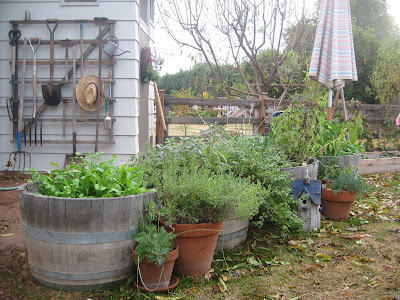 Here's the list for the month

 This is also the time of year for aphids. Rub out or pinch out at first sign of the ash colored cluster. Also try using a soapy spray by mixing 1 tbsp. each of Dawn dish soap and vegetable oil with 1 gallon water. Spray in early morning or evening. Make sure you spray the underside of leaves. With early detection, you're more likely to manage or prevent any major damage to plants.